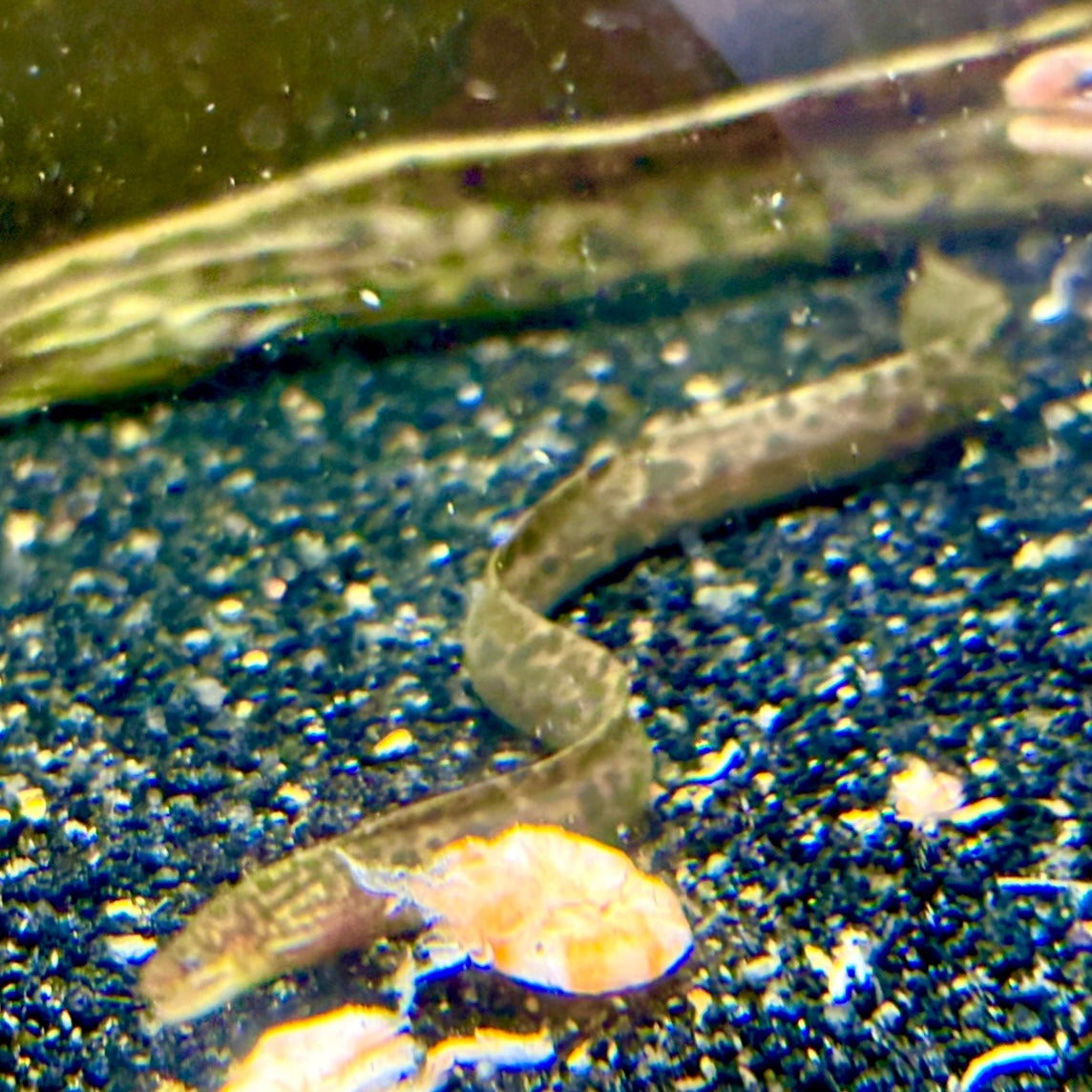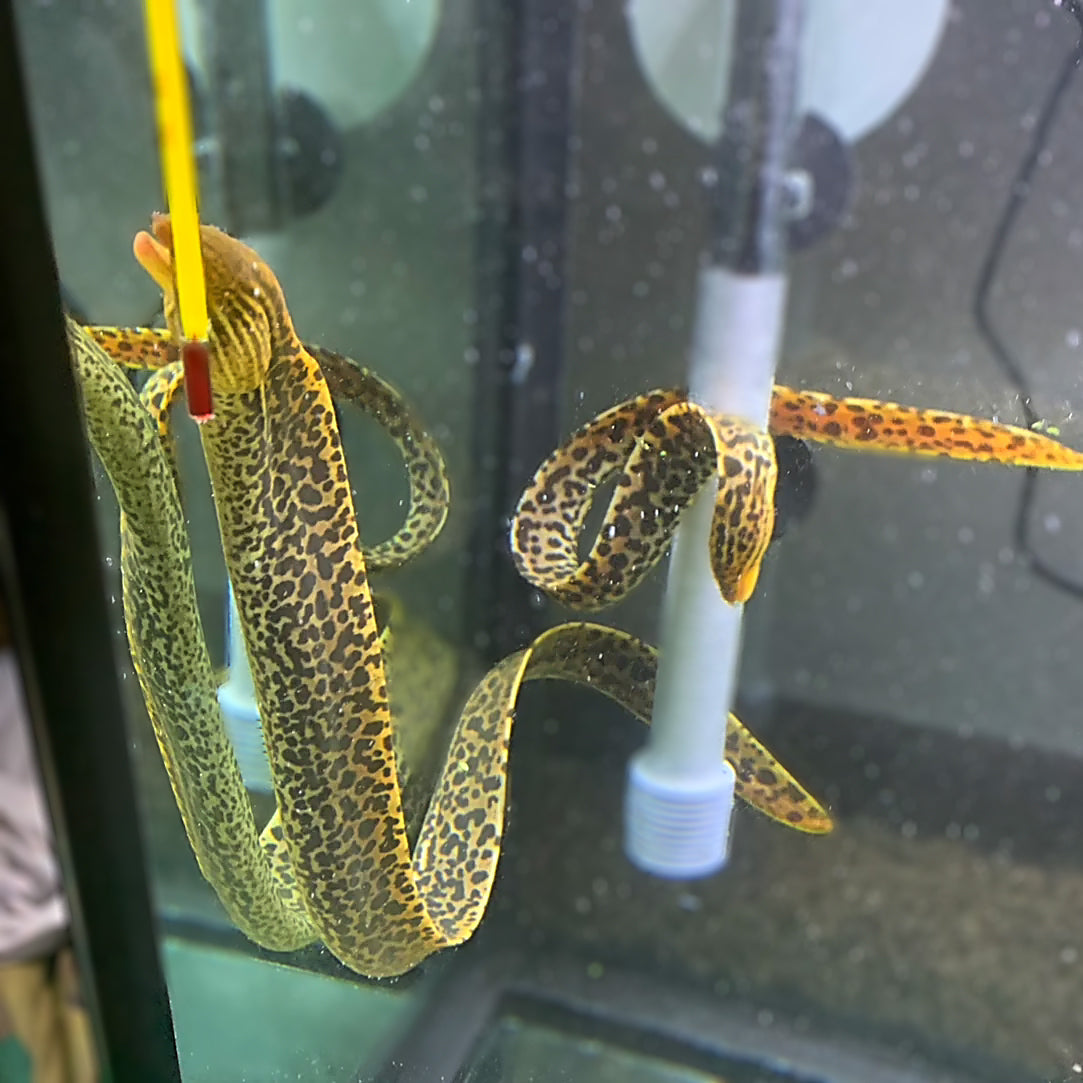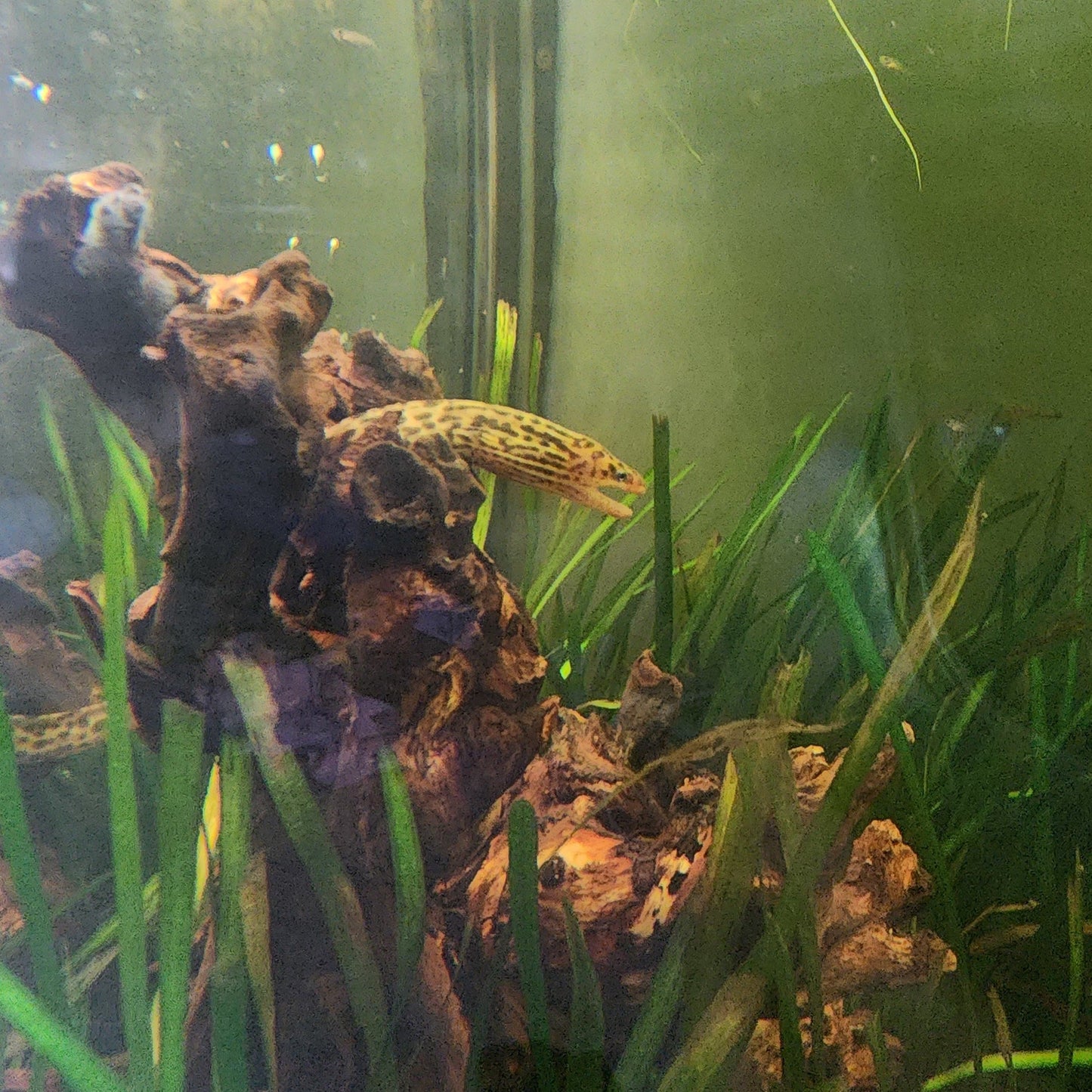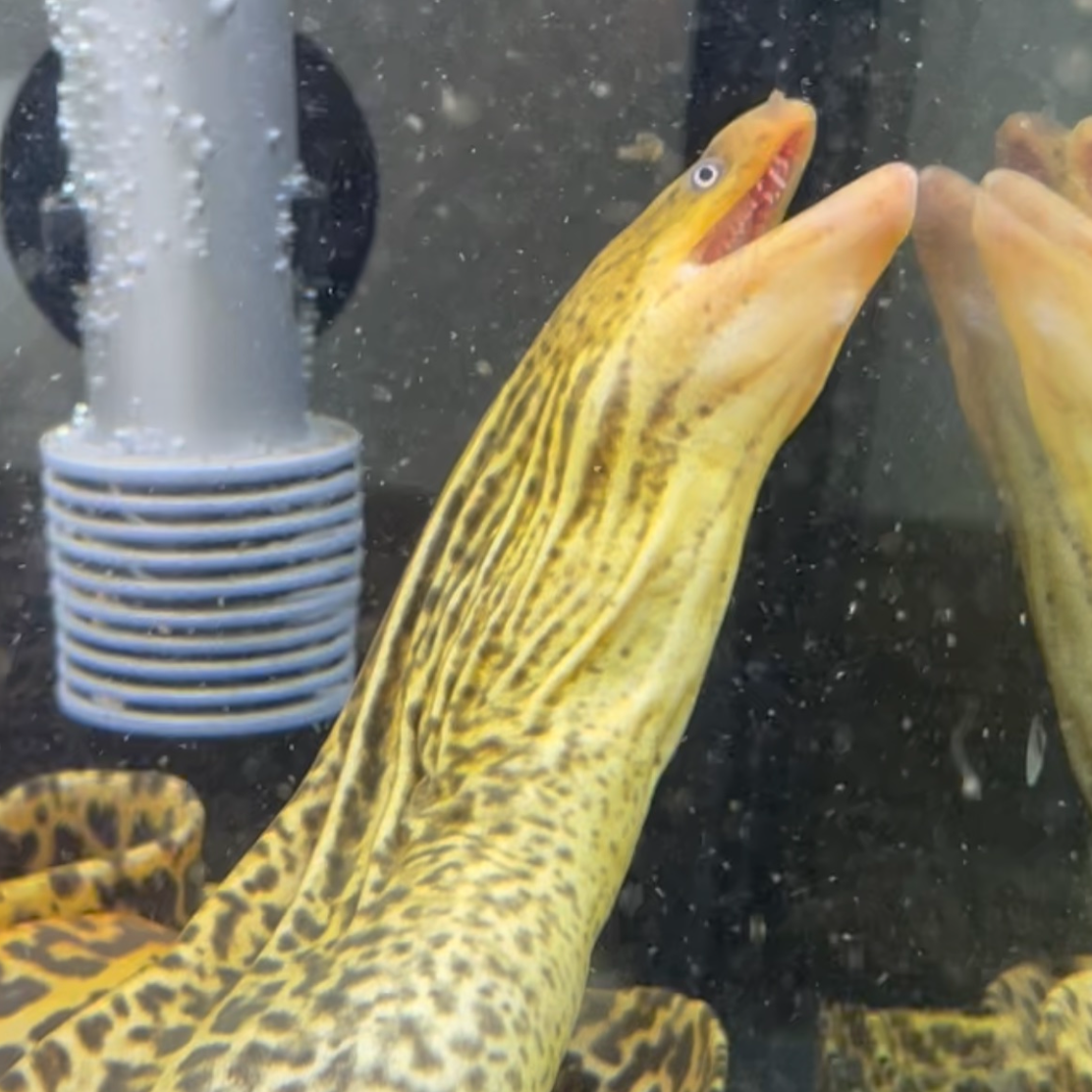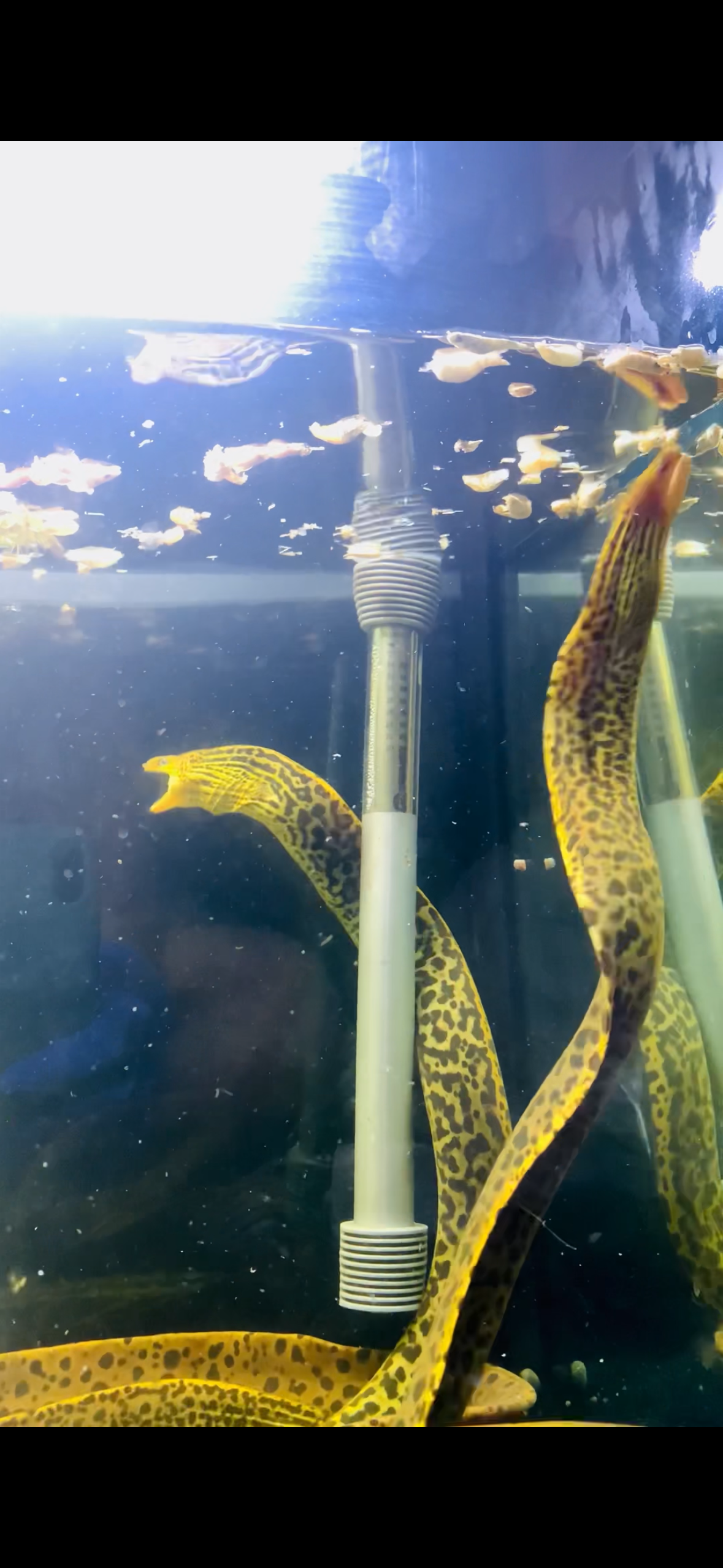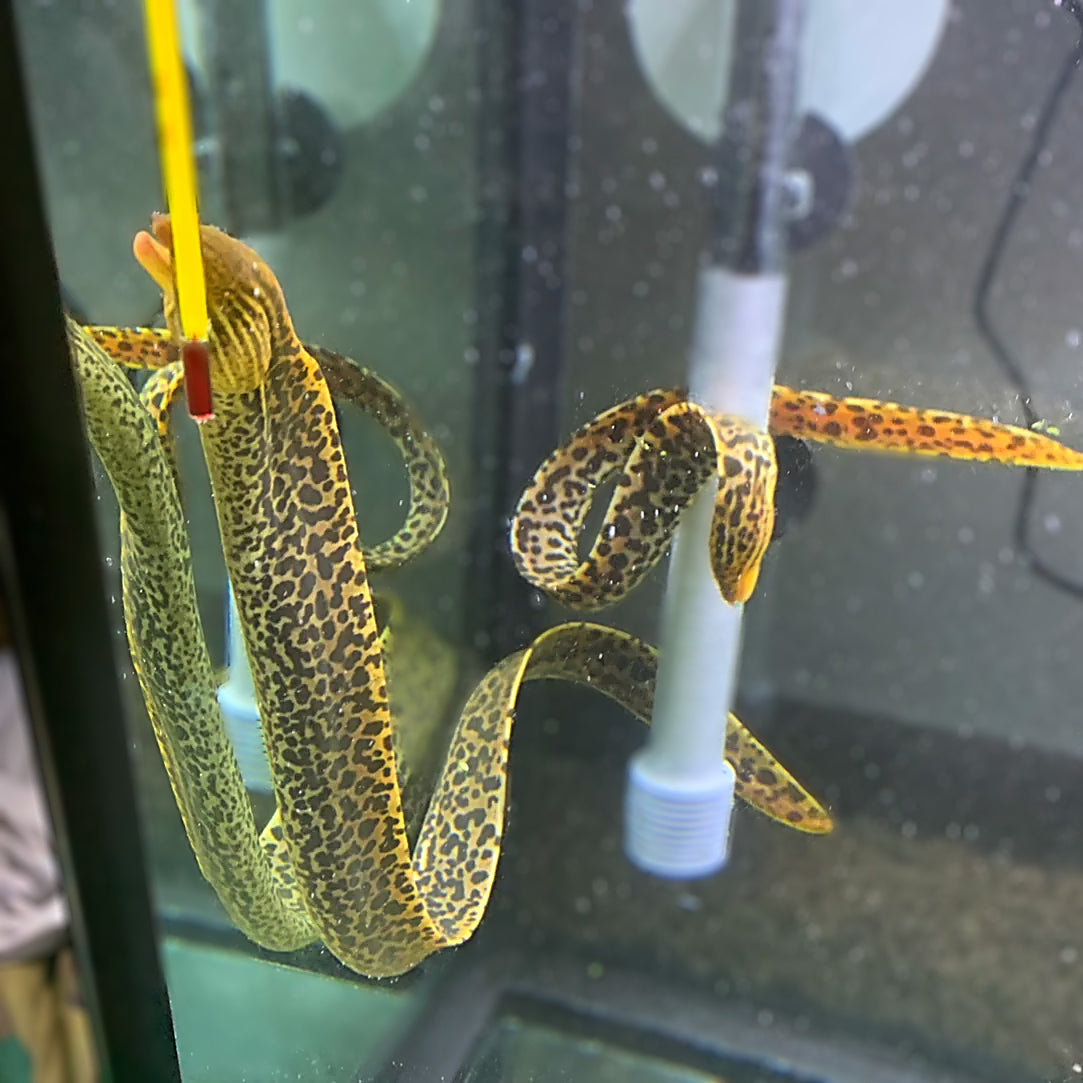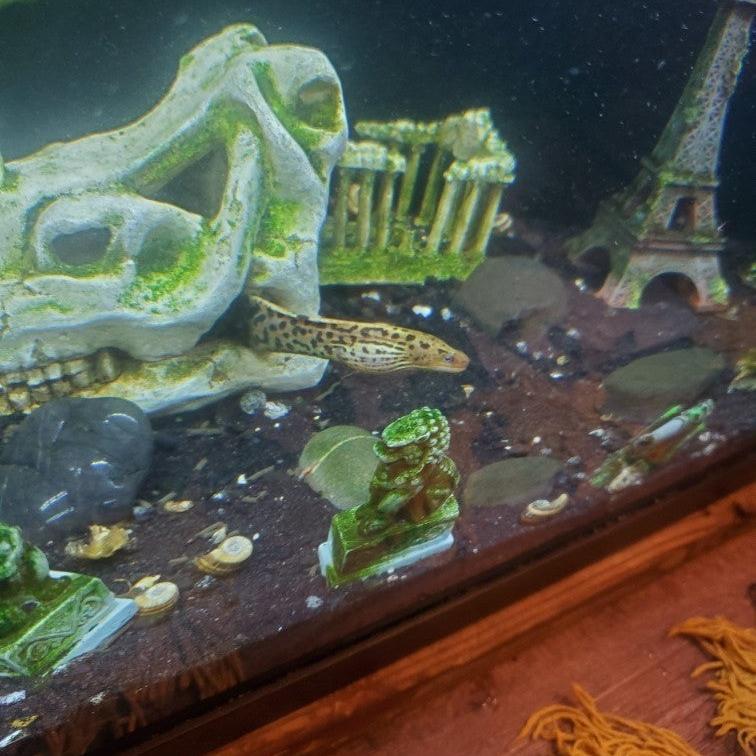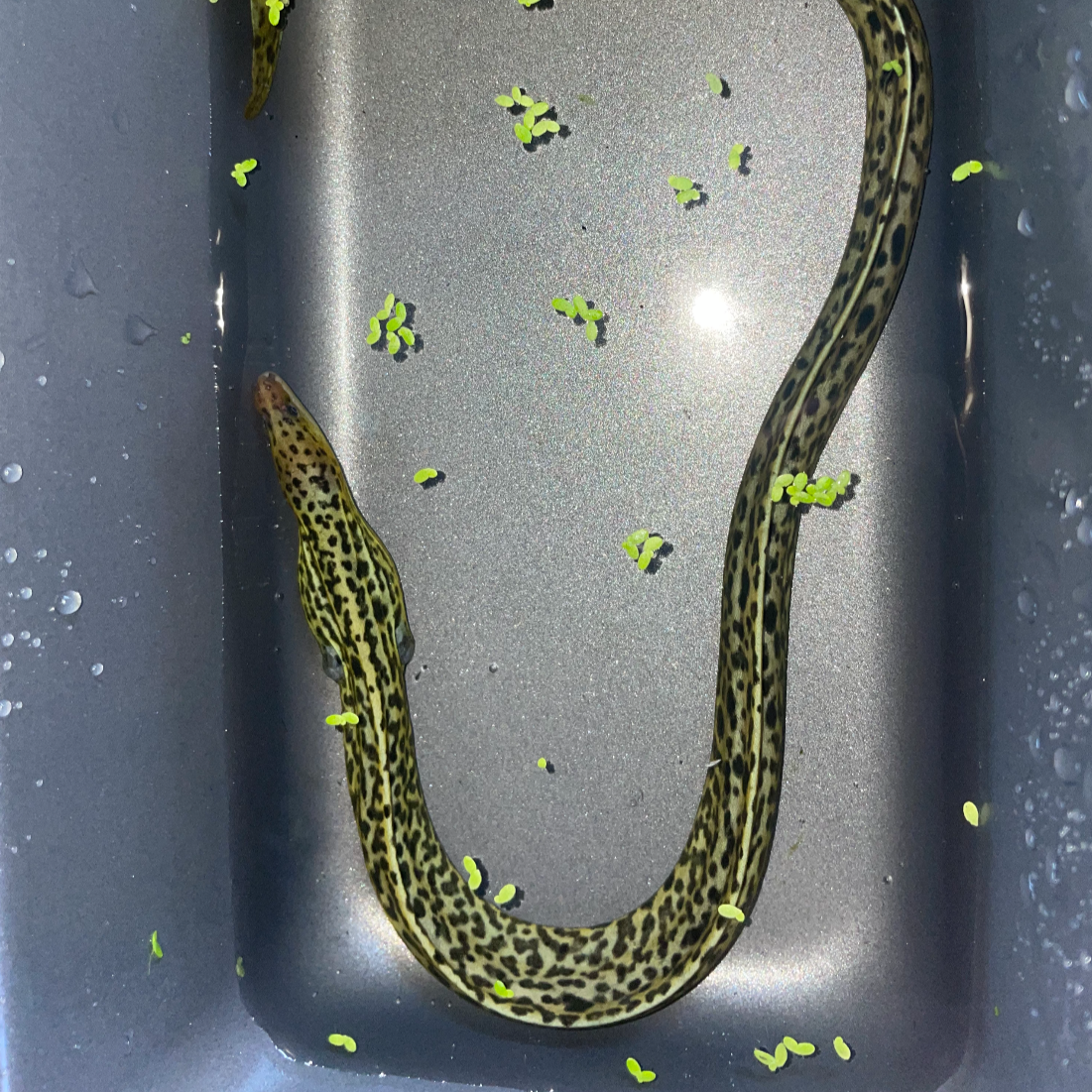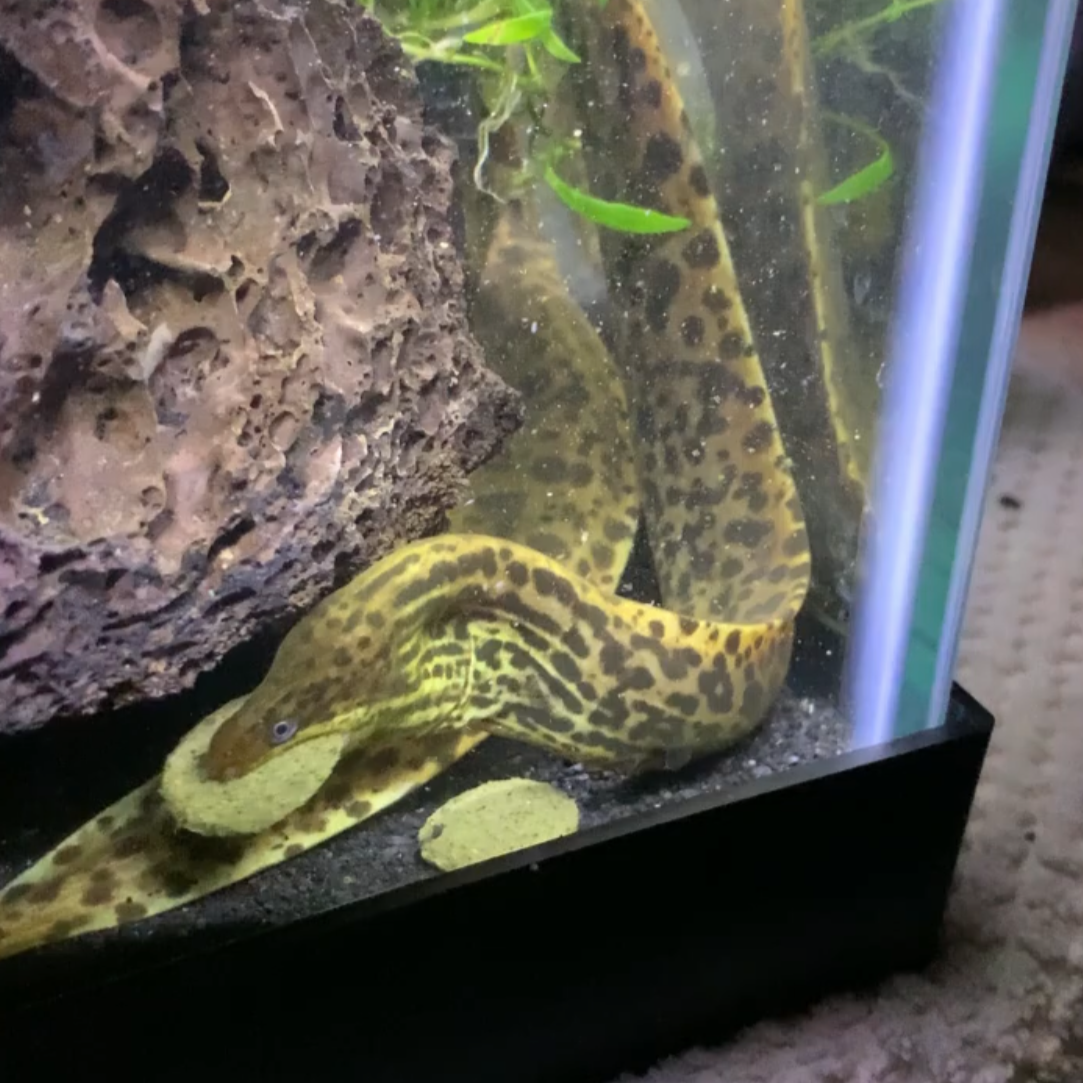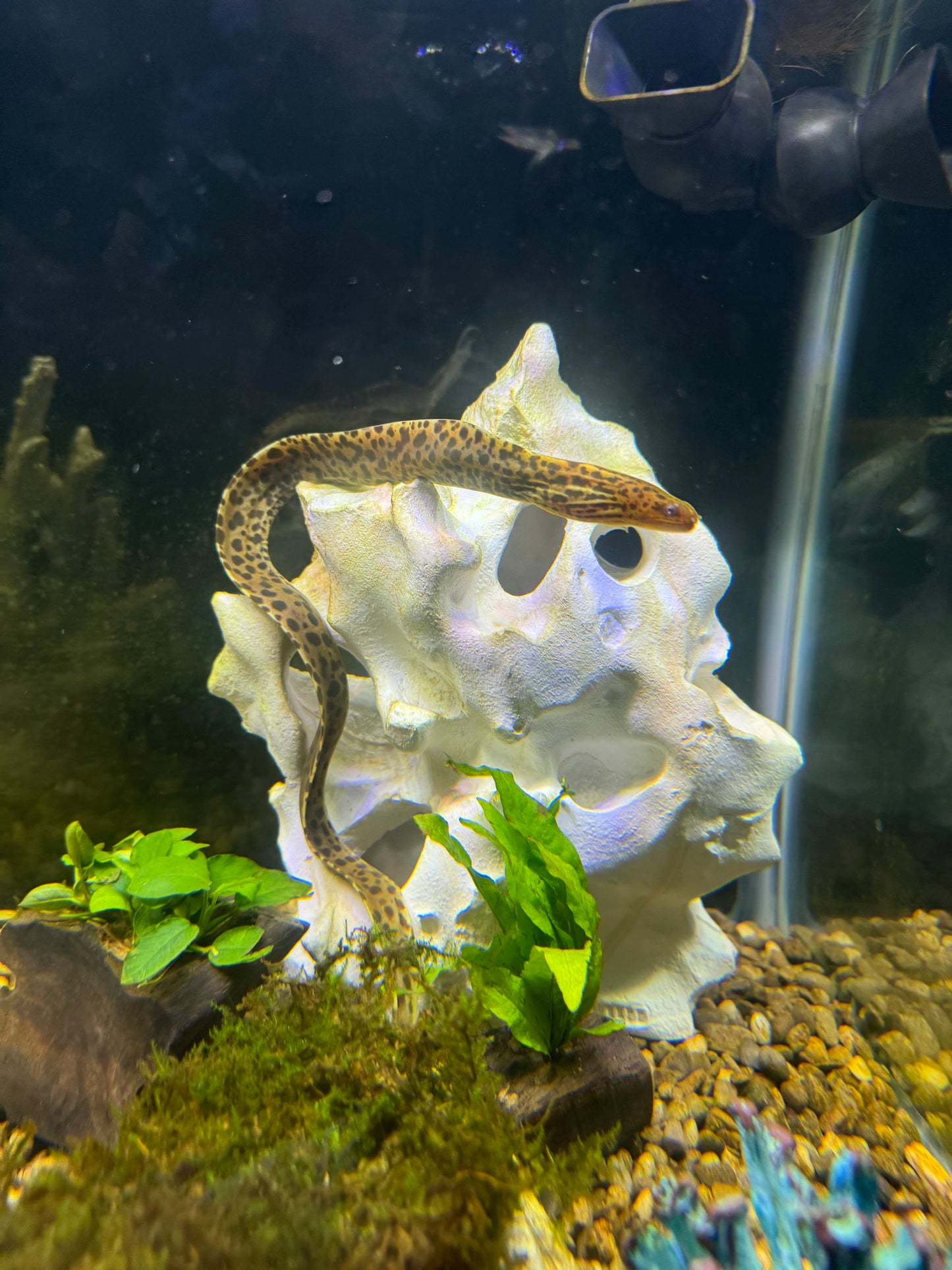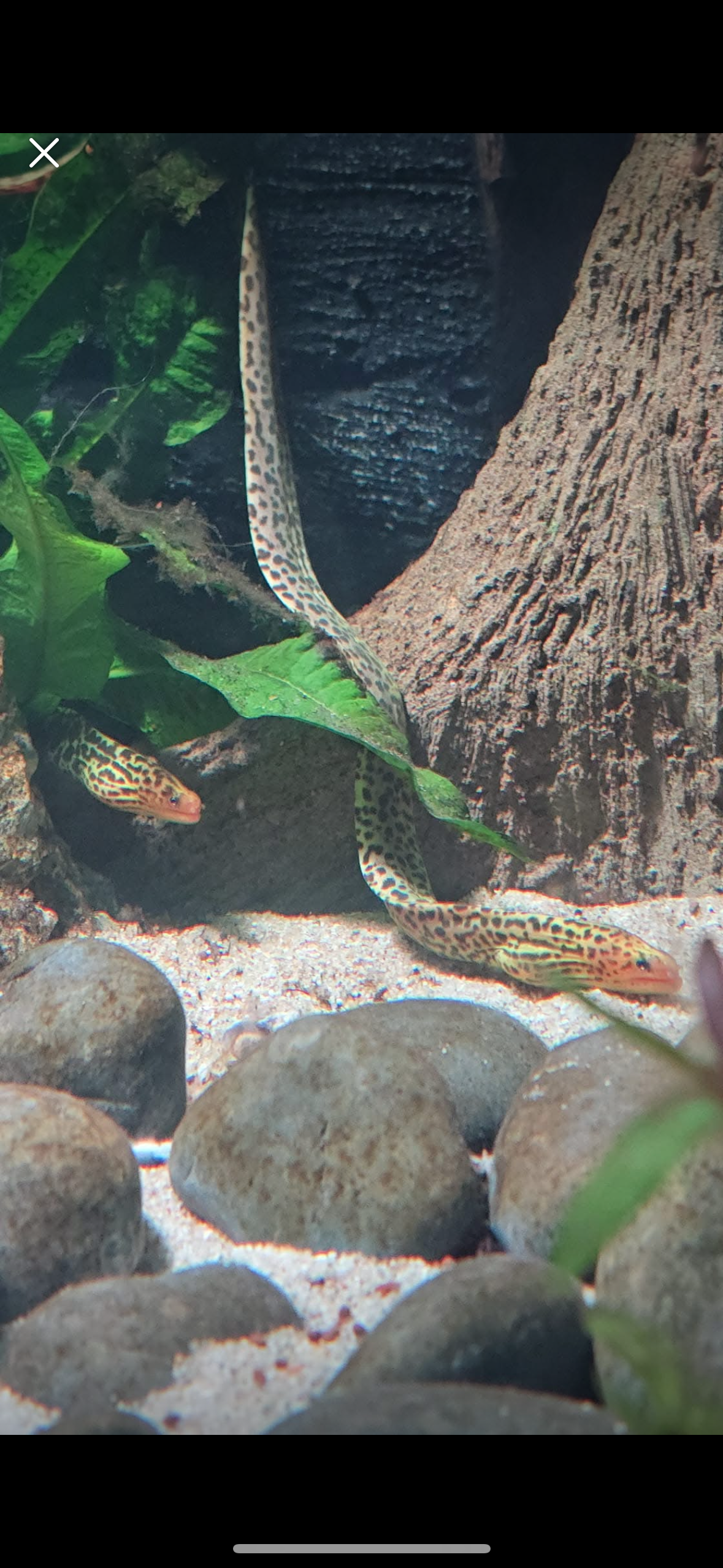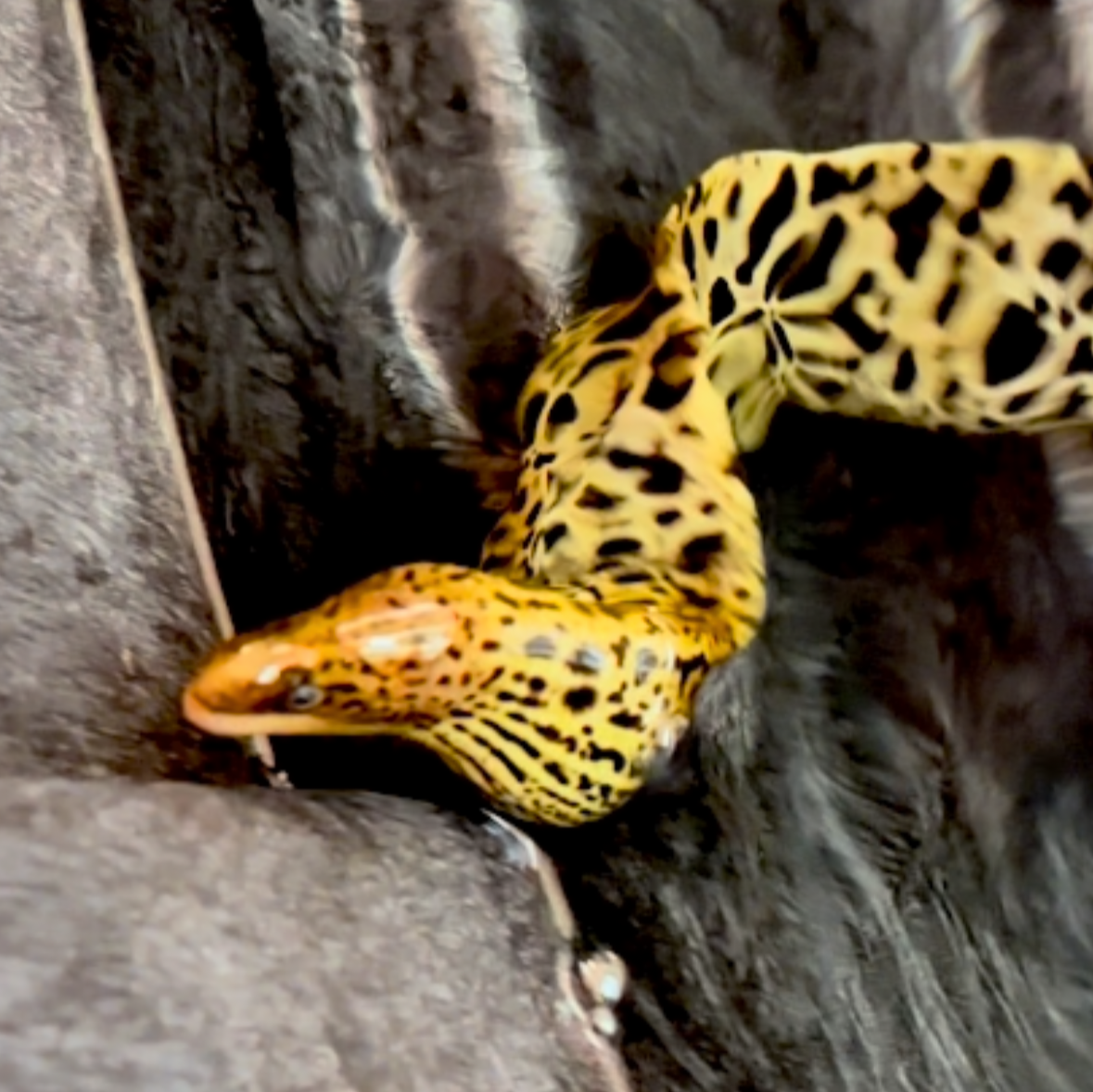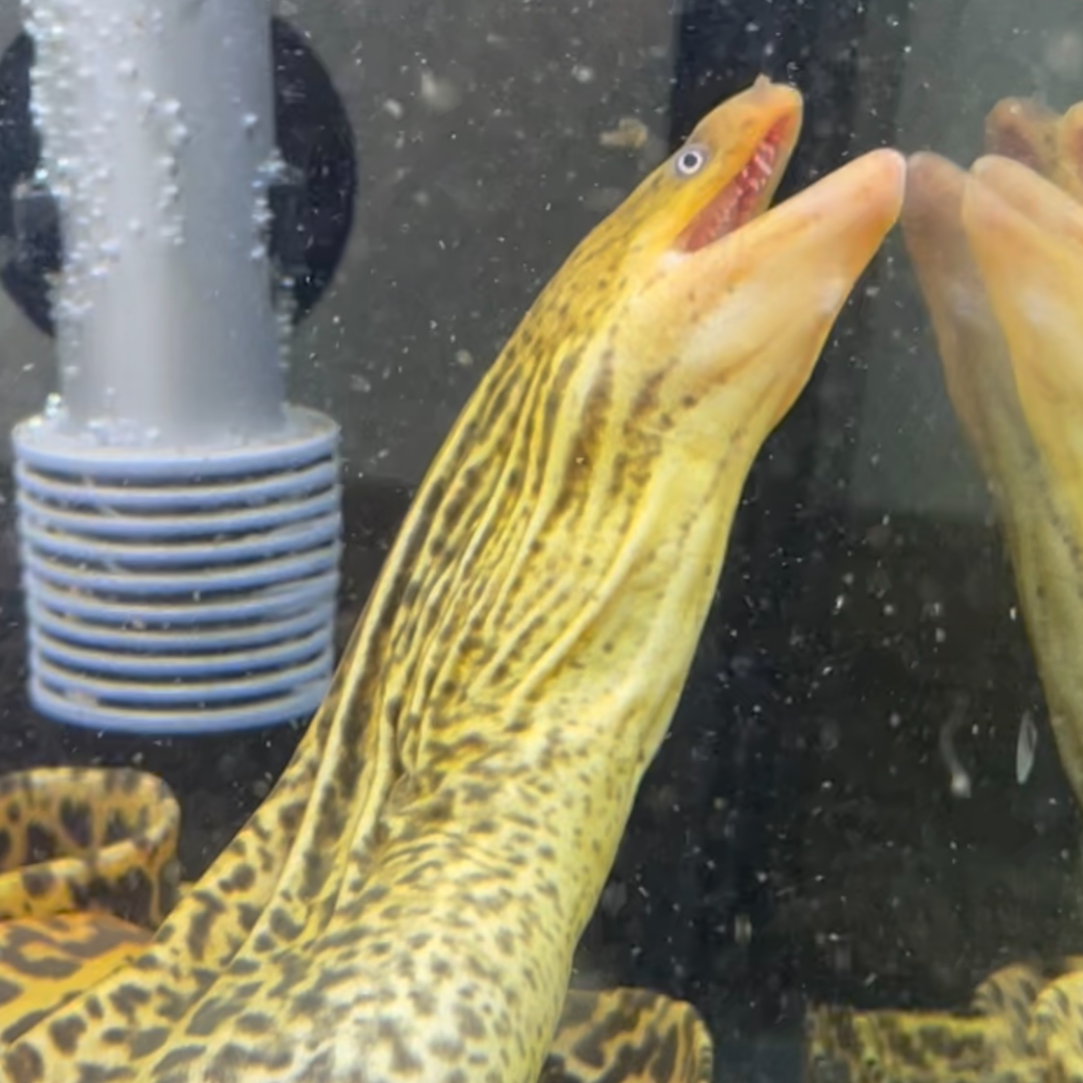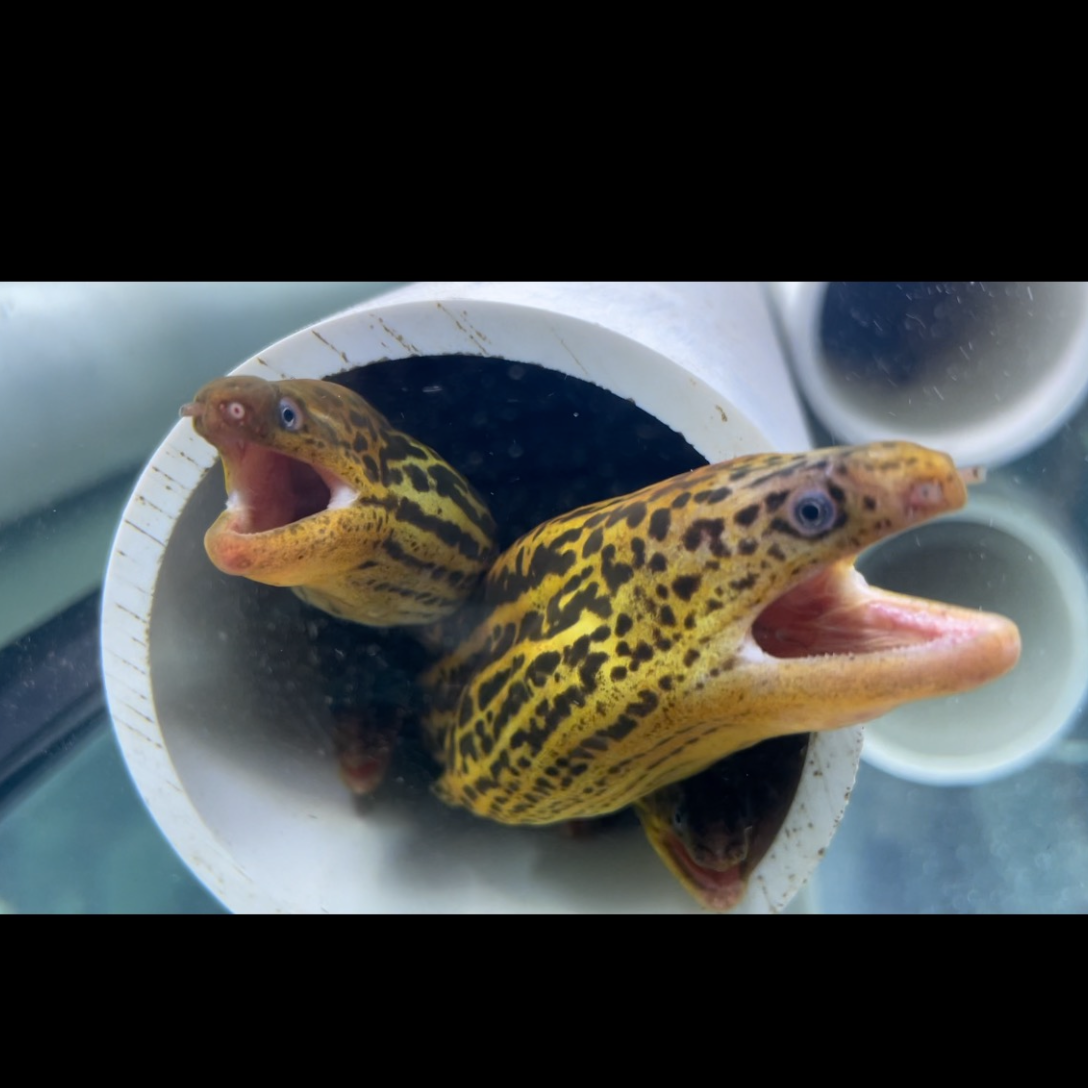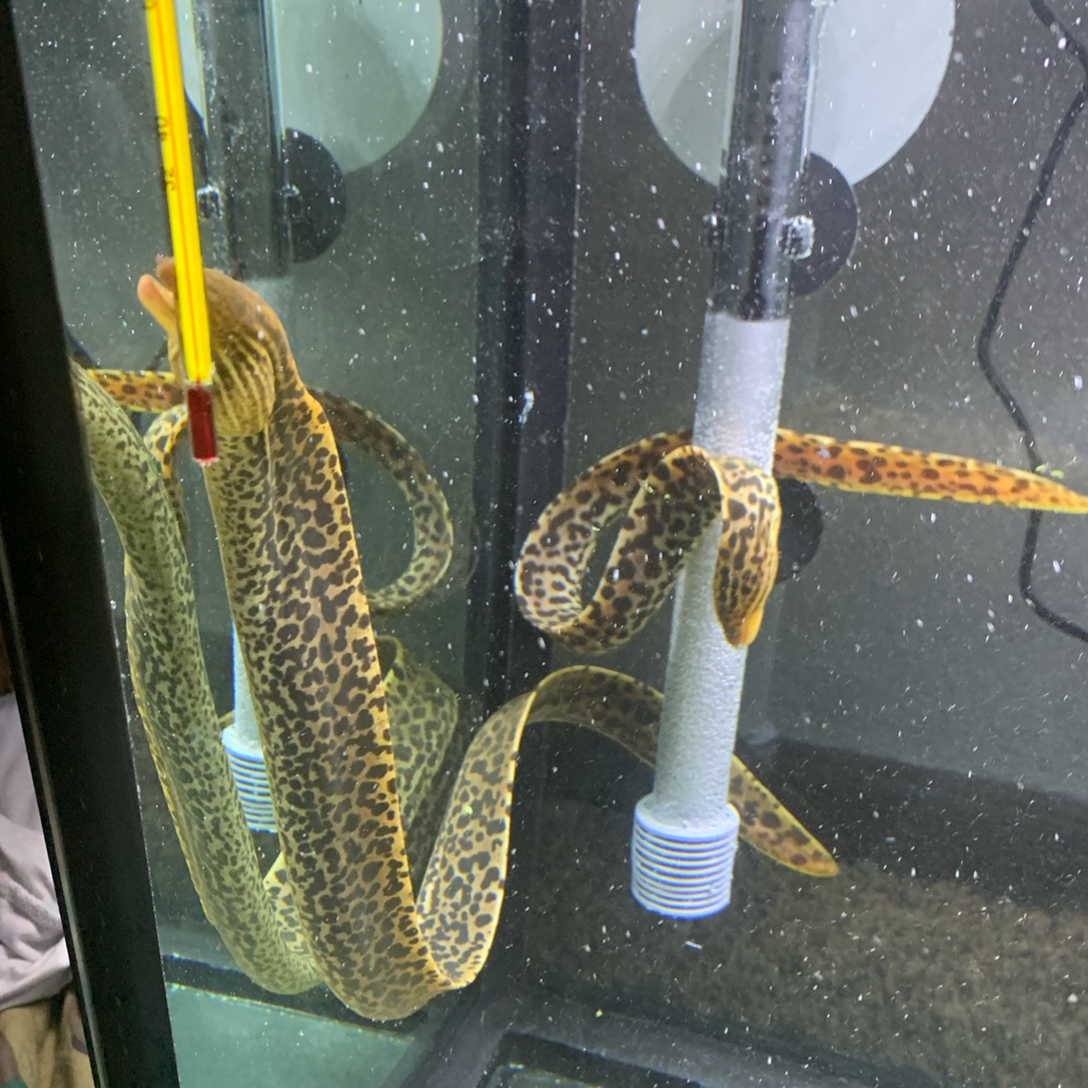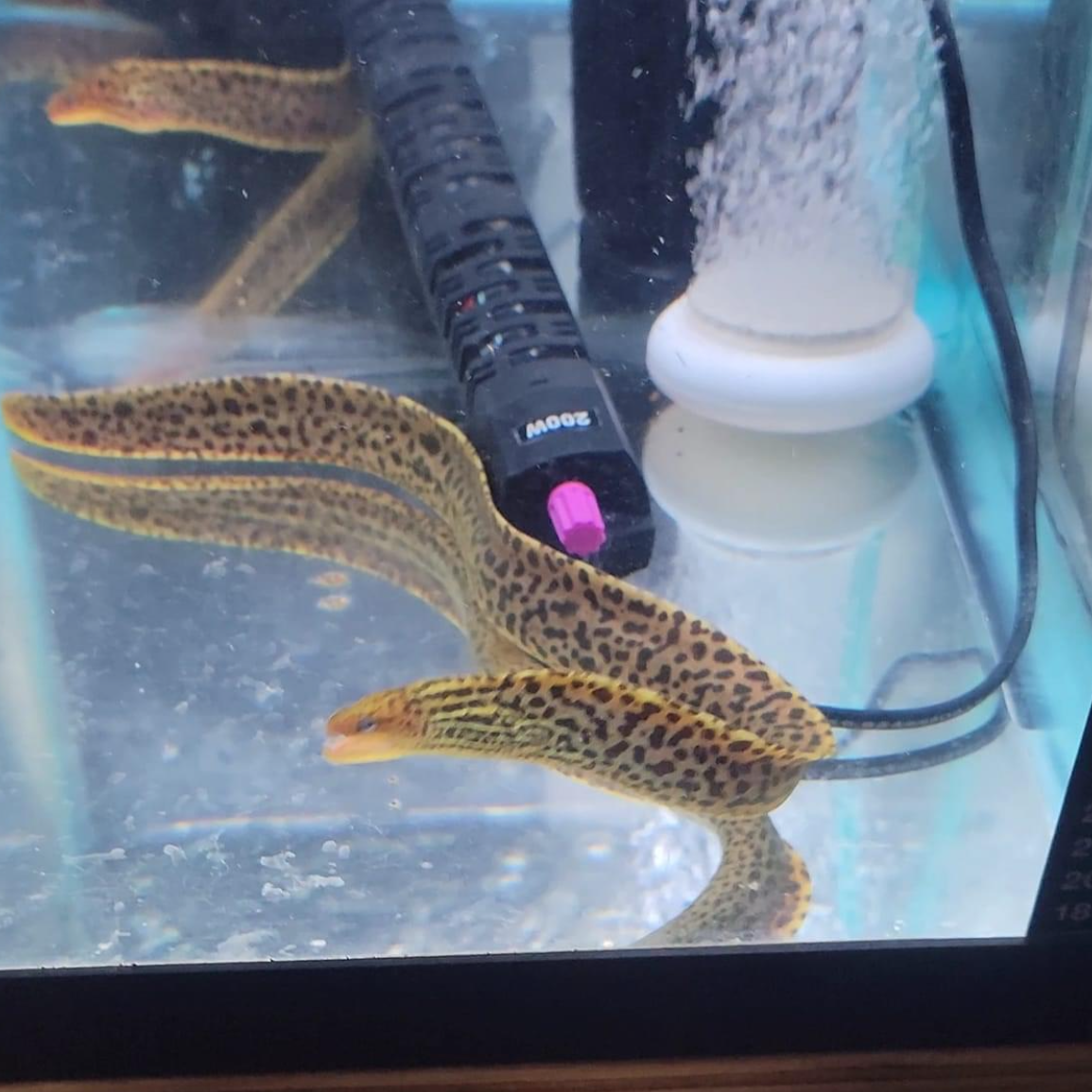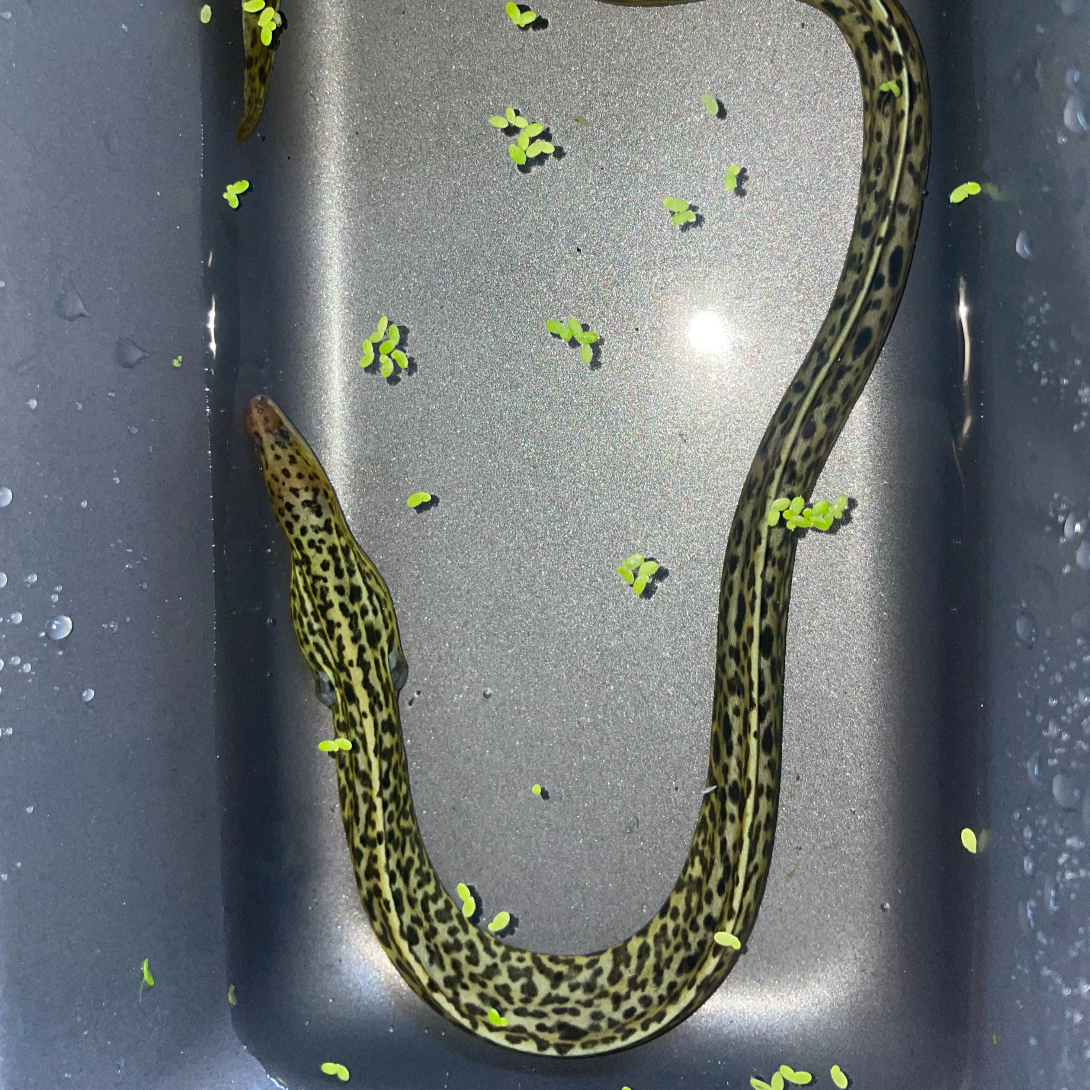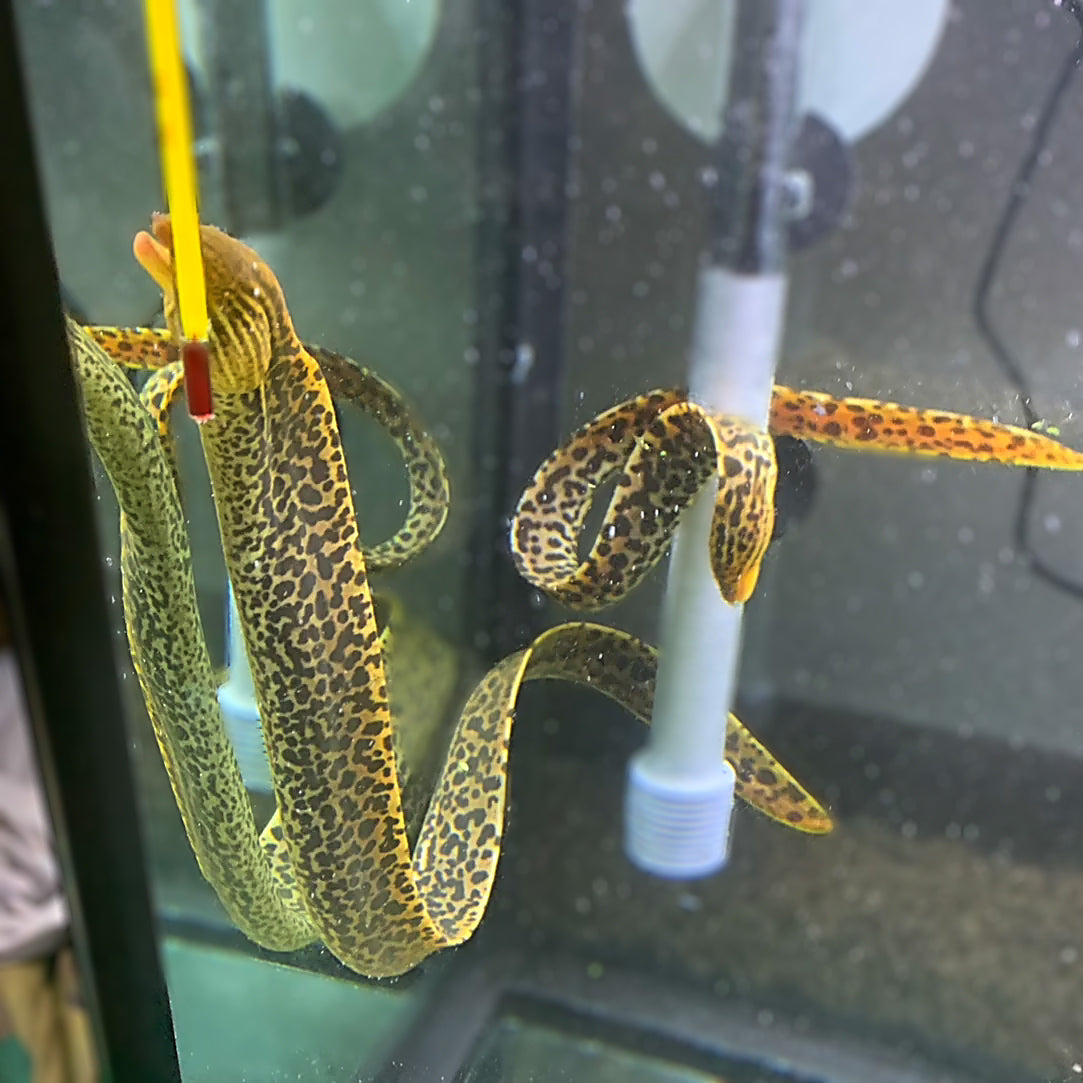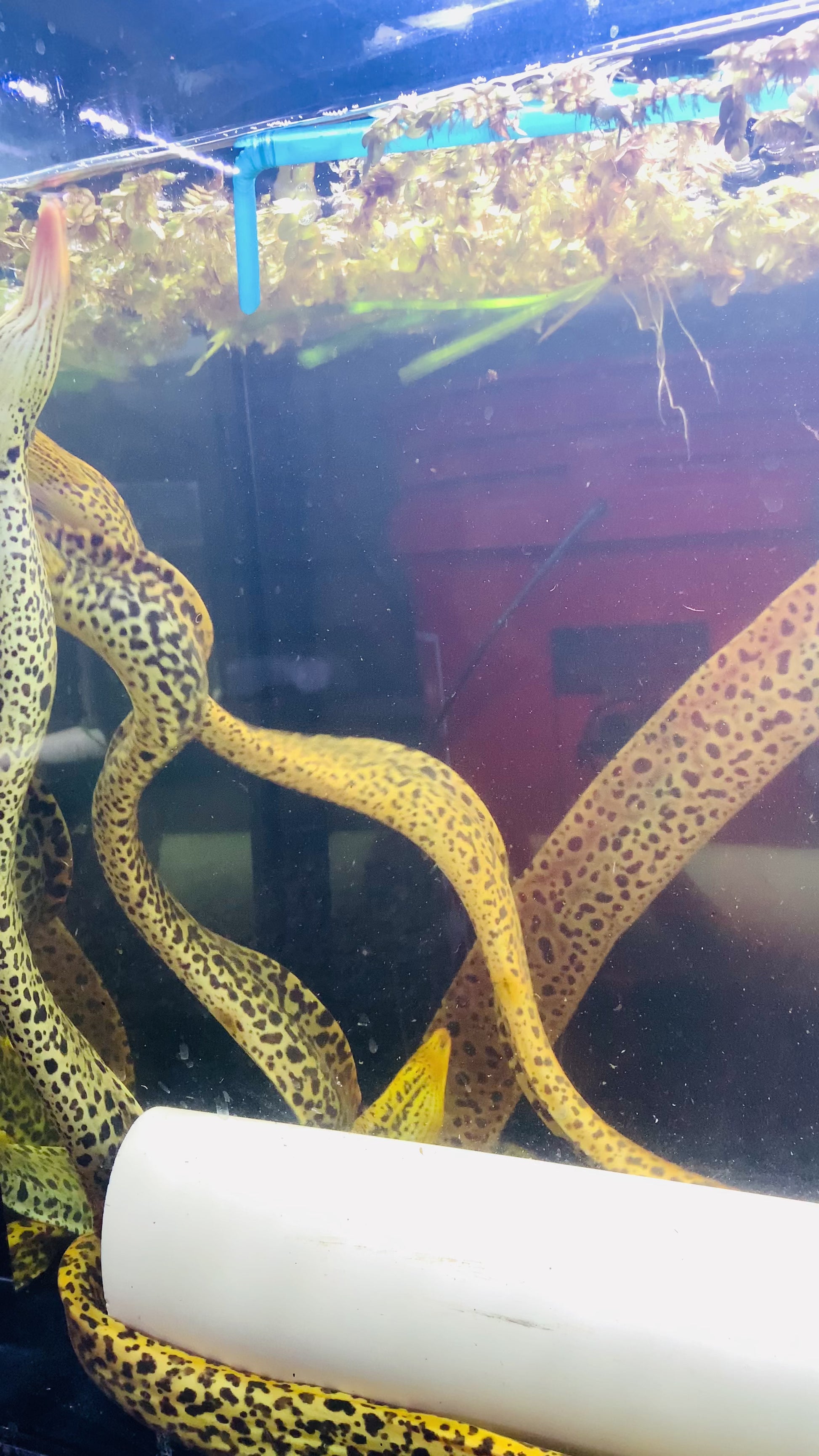


Freshwater Tiger Moray Eels (Gymnothorax polyuranodon)
Freshwater Tiger Moray Eels (Gymnothorax polyuranodon)
Couldn't load pickup availability
Note From www.ExoticFishGuy.com
All of our tiger morays are captured by net, never by hook or wholesale. These wild caught eels come already treated for parasites and pellet trained. This fish is our specialty, we have 1000s in stock to choose from for you! These eels are escape artists, and require a lid with no place for them to escape. Every exit needs to be sealed. I recommend keeping one tiger moray solo, or many in one aquarium.
I love this species in particular due to it's mostly peaceful nature in the aquarium. Can be kept with most fish, even if they are smaller than the eel. Be careful with keeping just two tiger moray eels together. They may get territorial. You are better to get 3-4 than just 2. 2 Can work, but I would have a backup plan and monitor closely for aggression / bite marks on tail.
FEEDING
As a general rule of thumb, feed juvenile tiger morays every other day, and adults 2 times per week. I feed all of my specimens a mix of pellets and frozen fish. ALWAYS PRE SOAK PELLETS/Freeze Dried Foods. Freeze dried can be an okay treat, but should never be fed more than once a week.
- Hikari Foods Sticks (2.2lb)
- Hikari Vibra Bites
- Hikari Sinking Carnivore Pellet
- Frozen Krill (Live Aquaria, Hikari)
- Hikari Frozen Jumbo Bloodworms
- Frozen Raw Cut Shrimp (deveined & no shell)
- Frozen Raw Tilapia Filets
ARE THEY REALLY FRESHWATER?
The truth is, they thrive in any water salinity. Aquarists have had great success in keeping them in freshwater, brackish, and saltwater! My eels are sourced directly from freshwater.
TIGER MORAY EEL HEALTH
Wild caught fish need dewormed before sale. At ExoticFishGuy, every eel is dewormed for all parasites. My advice for treating fish is the same for almost every fish, but especially for the Tiger Moray Eel. See if salt can fix it first. Not marine salt, freshwater aquarium salt. If you fear your tiger moray eel is suffering from a bacterial/fungal illness, it's usually just osmostic stress/shock (often appearing after large volume water changes). Freshwater Aquarium salt should always be kept on hand in case of emergency.